

Ever wondered why some leaders effortlessly inspire and excel while others struggle to gain momentum? The answer lies in a secret realm of leadership: soft skills. Just like Nike, Pokémon, and James Patterson have mastered their storytelling engines, great leaders have honed the art of soft skills to propel their success.
Are you ready? Let’s dive in…
1. The Power of Emotional Intelligence
Emotional intelligence is the cornerstone of exceptional leadership. Understanding and managing your own emotions, as well as those of others, is key to fostering trust, collaboration, and innovation within your team.
Developing emotional intelligence requires a deep understanding of oneself. Start by recognizing your emotional triggers and how they influence your behavior and decision-making. Journaling can be a powerful tool for self-reflection, allowing you to identify recurring patterns and gain insight into your emotional responses.
Pro Tip: Dedicate time each day to reflect on your emotional reactions to various situations, identifying triggers and patterns to enhance self-awareness and emotional regulation. By mastering your emotional intelligence, you can effectively navigate interpersonal dynamics and lead with authenticity and empathy.
2. Effective Communication
Effective communication is not just about speaking; it’s about truly connecting and conveying your message with clarity and impact. Master the art of active listening, seeking to understand before being understood.
Pay attention to your non-verbal cues during conversations, ensuring that they align with your intended message and foster rapport with your audience. Maintain an open posture, make eye contact, and offer encouraging gestures to convey attentiveness and receptiveness.
Pro Tip: Practice active listening by paraphrasing and summarizing the speaker’s message to ensure comprehension and demonstrate empathy. Also, incorporate storytelling techniques into your communication to engage and inspire your team, making complex concepts more relatable and memorable.
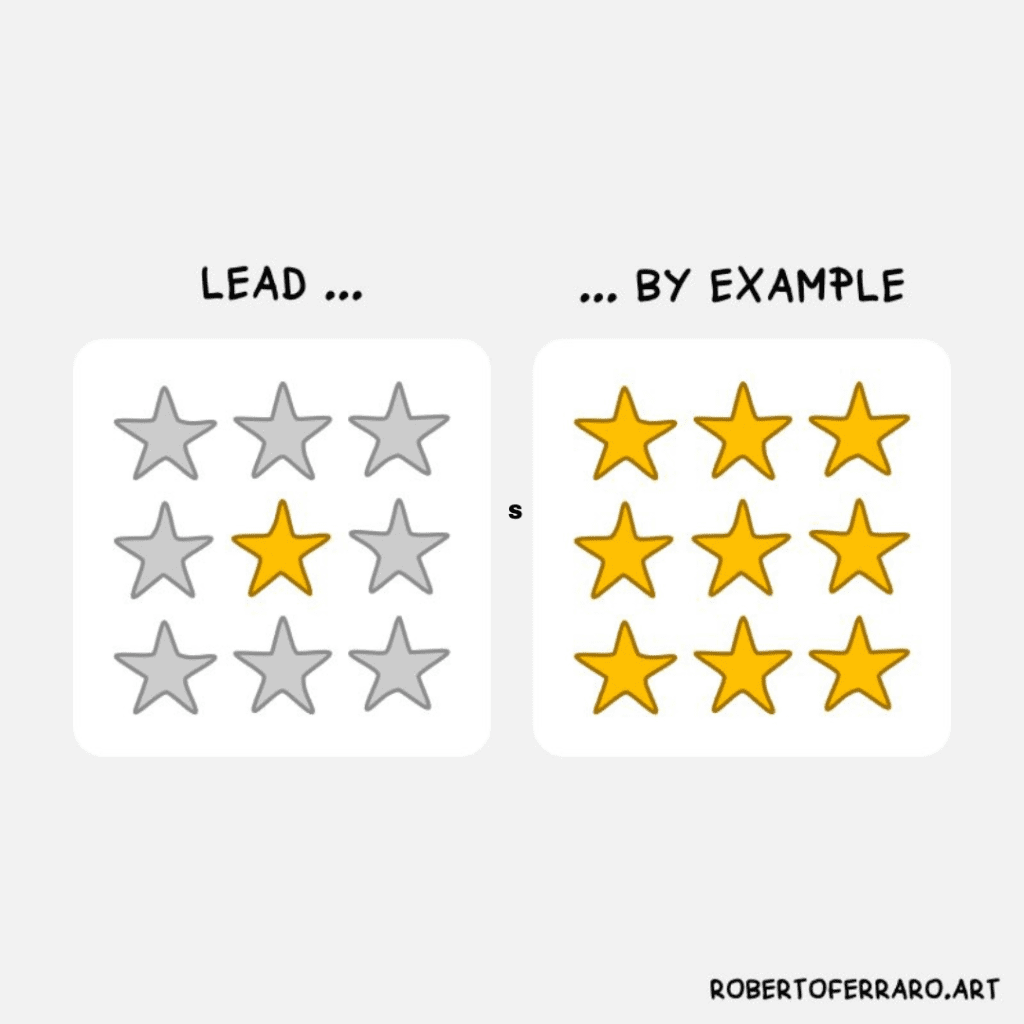
3. The Art of Adaptability
In today’s fast-paced world, adaptability is essential for navigating change and uncertainty effectively. Embrace a growth mindset, viewing challenges as opportunities for learning and growth rather than setbacks.
Foster a culture of adaptability within your team by encouraging experimentation and risk-taking. Create a safe space where team members feel empowered to explore new ideas and approaches, knowing that failure is not a reflection of their worth but an opportunity for growth. Celebrate innovation and resilience, recognizing and rewarding individuals who embrace change and drive positive outcomes in the face of adversity.
Pro Tip: Cultivate adaptability by stepping outside your comfort zone and intentionally seeking new experiences that challenge your assumptions and expand your skillset. Embrace failure as a natural part of the learning process, leveraging setbacks as opportunities to innovate and evolve your approach.
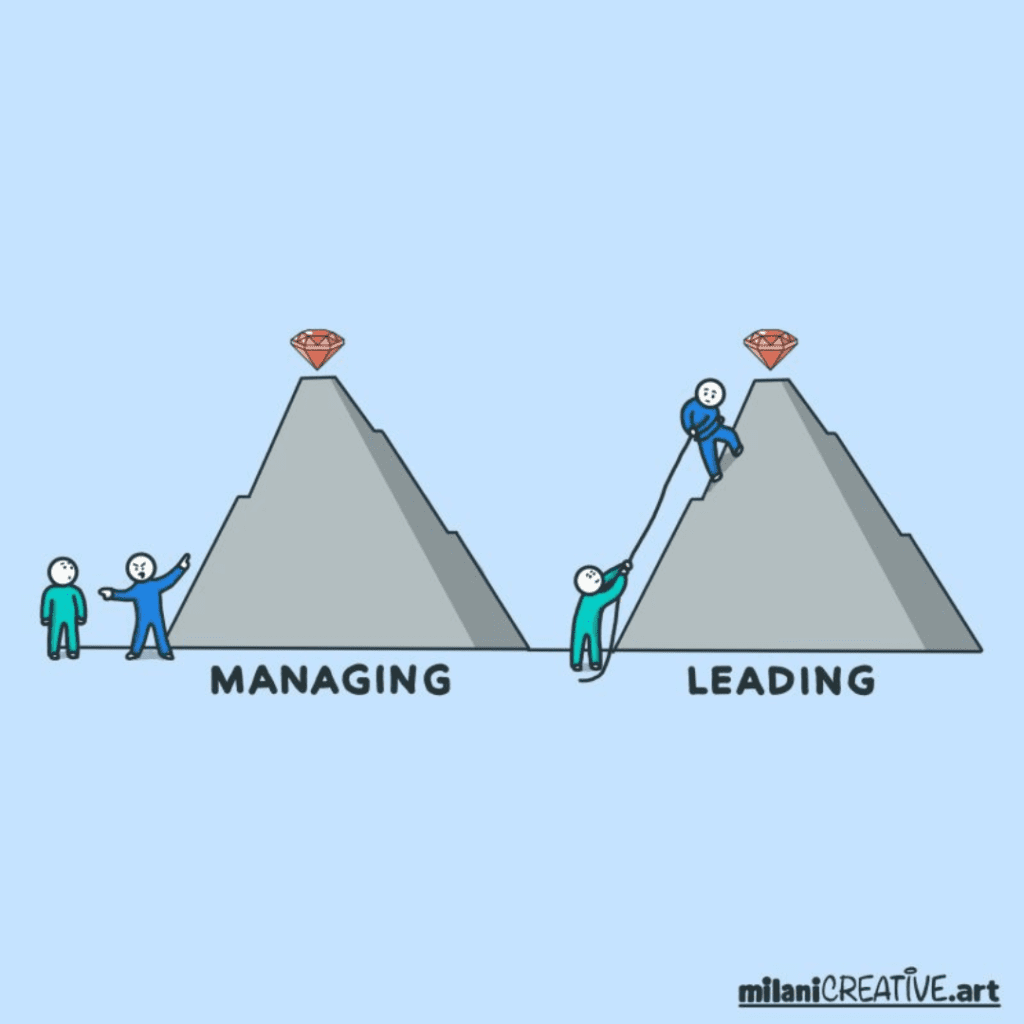
4. Building Trust and Empowering Others
Trust is undeniably the cornerstone upon which the structure of robust and effective leadership is built. It is absolutely vital to foster an environment of trust within your team, a feat which can be achieved by leading with unwavering integrity, absolute transparency, and unfailing consistency. By embodying these qualities as a leader, you are not merely commanding respect, but you are also cultivating a team culture where people feel secure, valued, and motivated to give their best. This, in turn, leads to improved productivity, collaboration, and overall team success.
Pro Tip: Lead by example and demonstrate trustworthiness through your actions, honoring commitments and delivering on promises. Additionally, empower team members by delegating responsibilities and providing them with the autonomy to make decisions and take ownership of their work. By building a culture of trust and empowerment, you can unleash the full potential of your team and drive collective success.
5. Conflict Resolution and Problem-Solving Skills
Conflict is inevitable in any team or organization, but how you handle it can make all the difference. Develop strong conflict resolution skills by addressing issues promptly and directly, seeking win-win solutions that prioritize mutual respect and understanding.
Conflict resolution goes beyond just resolving disagreements; it’s about transforming conflict into an opportunity for growth and collaboration. Encourage open communication and active listening during conflict resolution discussions, ensuring that all perspectives are heard and respected. Focus on common goals and interests, seeking solutions that address underlying issues and strengthen relationships within the team.
Pro Tip: Implement a structured approach to conflict resolution, such as the “I-message” technique, where you express your feelings, describe the behavior causing concern, and propose a solution collaboratively. Additionally, foster a problem-solving mindset within your team by encouraging brainstorming sessions and facilitating open dialogue to explore innovative solutions to challenges.
Start Today
Unlocking leadership excellence is not about mastering a single skill or technique; it’s about embracing a holistic approach that integrates emotional intelligence, effective communication, adaptability, trust-building, and problem-solving.
By mastering the art of soft skills, you can elevate your leadership game from good to great, inspiring and empowering those around you to achieve their full potential.
Are you ready to unleash your leadership potential and lead with excellence? The journey starts now.
Whenever you are ready, there are 2 ways I can help:
👉Follow me on LinkedIn: Join 18,000+ other leaders learn the specific strategies to lead in business (and in life). Click HERE to follow me.
👉 High-Performance Coaching: I help busy professionals excel in their careers with high-impact systems and habits. Click HERE for a free 30-minute strategy session. Together, we’ll pave the way to your success.


0 Comments